Dubai Residential REIT Revenue Rises 7.6% as Assets Reach AED 25.2 Billion
Dubai Residential REIT reported 7.6% nine-month revenue growth, with like-for-like occupancy at 98.4% and gross asset value of AED 25.2 billion.
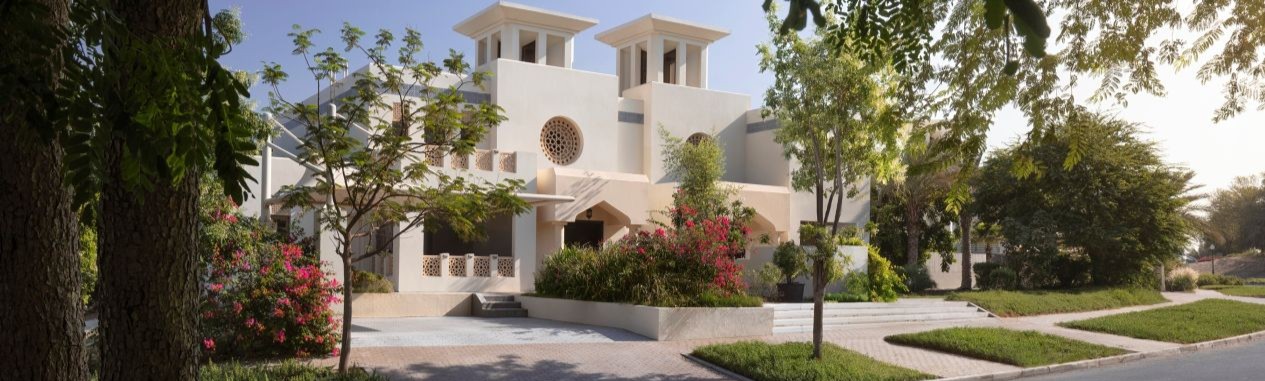
Dubai Residential REIT reported a 7.6% increase in revenue for the first nine months of 2026, supported by higher rental rates and sustained occupancy across its communities. The operational update, released on 17 November, put gross asset value at AED 25.2 billion and showed continued demand for homes in the listed residential property portfolio.
The headline occupancy figure was 98.4%, compared with 98.1% a year earlier. That comparison uses a like-for-like portfolio and excludes the 276 homes added during 2026. Including those additional properties, occupancy was 97.7%. The distinction gives readers a clearer view of how established communities performed and how recently added homes are being absorbed.
Dubai Residential REIT revenue grows as rents increase
Average annualised revenue per leased square foot reached AED 60, up from AED 56.1 in the corresponding period of 2025. The company attributed the increase to higher rents on new leases and renewals. This measure divides annualised revenue by the floor area associated with leased properties, making it a portfolio-level indicator of income intensity.
A figure of AED 60 per square foot does not provide a rental quotation for an individual apartment or villa. The portfolio contains different communities, property sizes and tenant segments. A household comparing homes would still need the rent for a specific unit, its usable area and the costs included in the lease to understand what the property would cost to occupy.
Why the two occupancy measures matter
Like-for-like reporting compares a broadly consistent group of properties over time. Excluding newly added homes helps show whether demand for the established portfolio has strengthened. The increase from 98.1% to 98.4% represents 0.3 percentage points and indicates that the existing properties remained close to fully occupied during the nine-month period.
The broader 97.7% figure includes the additional units. New homes can take time to lease as marketing, viewings and move-ins progress. Reporting the wider measure alongside the comparable-portfolio figure allows readers to see both established demand and the effect of portfolio expansion. Future updates will show how occupancy develops as those added homes settle into normal leasing operations.
Garden View Villas and Jebel Ali Village add homes
The 276 additional residential units comprise 56 homes at Garden View Villas and 220 at Jebel Ali Village, according to the company’s release. Management identified these communities as part of its focus on increasing occupancy. Their contribution will depend on leasing progress and the income generated once homes are occupied.
The gross asset value of AED 25.2 billion compares with AED 23 billion in the corresponding period of the previous year. The company defines the measure using the fair market value of its portfolio at the latest semi-annual valuation, together with subsequent additions to investment property. Consequently, the figure combines valuation information with portfolio changes and should be read alongside its stated measurement basis.
Tenant retention stays above 96% in the third quarter
The REIT reported tenant retention of 96.3% for the third quarter, compared with 96.4% in the second quarter and 97.8% in the first. The measure tracks the proportion of tenants who renew during the relevant period. It provides another view of the leasing business alongside occupancy, which measures how much available stock is leased.
High retention can reduce the number of properties requiring remarketing and the time homes spend between tenants. However, retention and rent growth answer different questions. A renewal can preserve occupancy, while the agreed rent determines the income associated with that tenancy. Looking at the measures together provides a more complete picture of operational performance.
Management outlines the next growth opportunities
Ahmed Al Suwaidi, managing director of Dubai RM Real Estate Fund Management, attributed the performance to rental income growth, strong occupancy and stable tenant retention across established communities. He also highlighted portfolio diversification and leasing and asset-management work as contributors to the results.
The REIT continues working with Dubai Holding Asset Management on potential additions, including villas at The Acres and townhouses at Lantana Hills in Dubai Science Park. Plans also include converting retail space into residential accommodation at Dubai Wharf. These opportunities form part of its future growth work, with progress dependent on the relevant project and transaction steps.
The company is also considering acquisitions from third-party residential property owners, subject to its investment criteria and due diligence. Acquiring an occupied asset, adding newly built homes and converting existing space can each affect income on a different timetable. Future announcements should clarify which opportunities proceed and when they begin contributing to the portfolio.
What the update means for Dubai’s rental market
The results offer a window into a large residential landlord’s performance, with higher revenue per leased square foot and strong occupancy across established communities. They describe this portfolio’s experience during the first nine months of 2026. Conditions elsewhere can vary with location, building quality, lease terms and the amount of competing supply.
For residents and property owners following the next update, the useful measures will include occupancy across newly added homes, tenant renewals and changes in revenue per leased area. Together, those figures will show whether portfolio expansion is translating into occupied homes and recurring rental income as the year closes.
What's Your Reaction?
 Like
0
 Dislike
0
 Love
0
 Funny
0
 Wow
0
 Sad
0
 Angry
0

Mr. Rizwan writes about Dubai and UAE real estate, including property news, market trends, off-plan projects, buying guides, rental updates, and investment insights. His work helps readers understand the UAE property market with clear, practical, and easy-to-read information.


Comments (0)